
Meal planning
Meal prep grocery lists: from one dinner to twelve containers
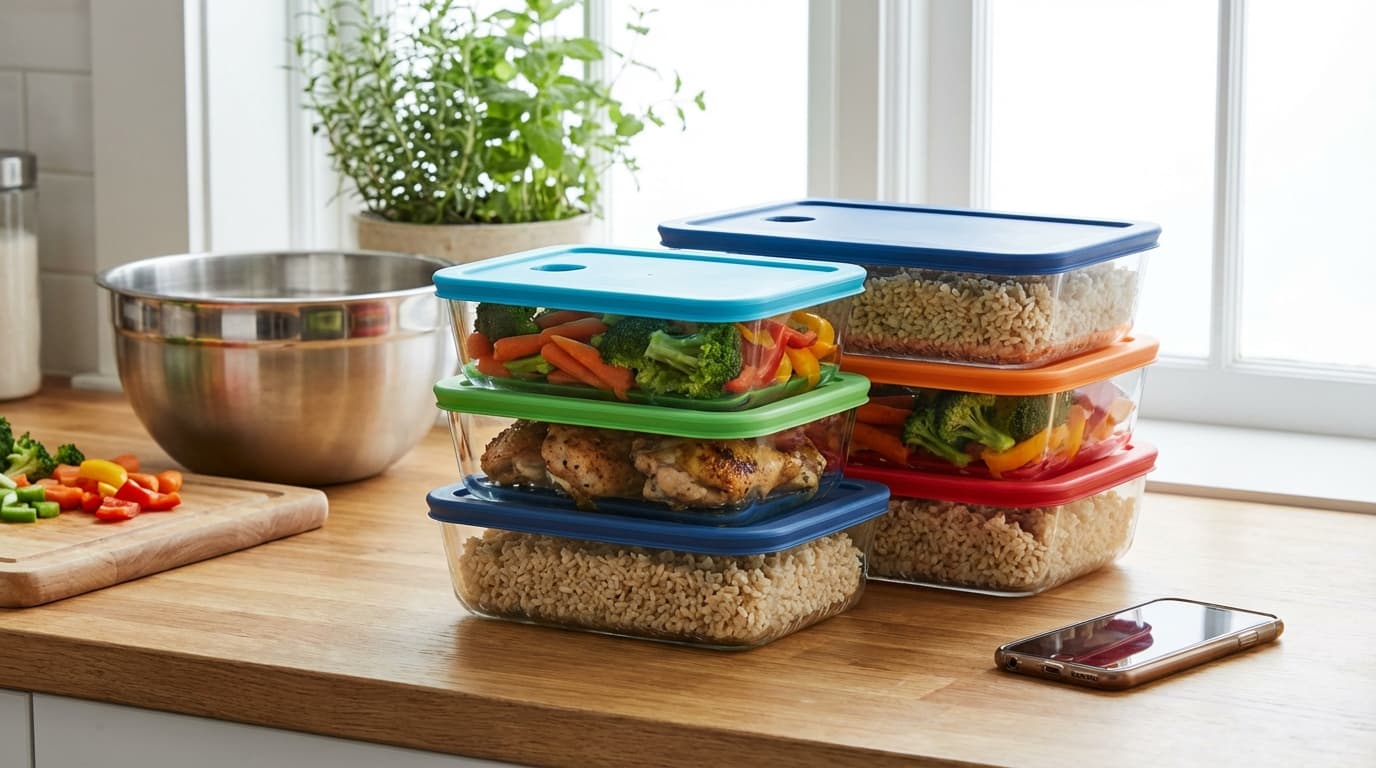
Meal prep content online loves symmetry. Twelve identical containers, a single grocery run, a Sunday afternoon that looks like a cooking show. Real life is messier. You might prep two proteins, freeze half, and improvise salads because lettuce does not survive a week looking perky. Your grocery list should reflect that mess honestly, or you will overbuy ingredients and underuse time.
This article is about scaling lists when you cook in batches: how to separate prep-day ingredients from everyday staples, how to align with weekly and monthly cadences, and how shared households coordinate without turning the kitchen into a standup meeting. It pairs with ListiMate meal features conceptually, but the habits matter even if you change tools later.
For recipe-oriented product context, read meal planning and recipes in ListiMate on this blog. For a shorter external anchor, the weekly grocery list planner page keeps the cadence idea visible without this much prose.
The difference between a dinner list and a prep list
A dinner list answers what you need tonight. A prep list answers what you need before you have three hours of chopping ahead. Those lists overlap but are not identical. If you merge them without labels, you will buy fresh herbs twice because one line served Tuesday dinner and another served Sunday prep.
Split sections or split lists. Names matter. "Prep Sunday" as a section header beats clever abbreviations nobody remembers.
Portion math without pretending you love spreadsheets
You do not need a calculator for every meal. You do need honest counts. How many lunches do you actually pack versus buy? If the answer is inconsistent, your prep list should not assume five perfect lunch boxes. Start with three and adjust after you see waste.
Batch cooking that creates twelve portions sounds efficient until your freezer is full and your appetite for the same stew dies on day four. Lists should track reality, not aspiration.
Freezer inventory and duplicate buys
Frozen proteins stack. If you already have two pounds of chicken in the freezer, your prep list should say so. Duplicate prevention in an app helps, but judgment still matters. Walk the freezer before you finalize the list. Thirty seconds there saves a surprising amount of money over a month.
The monthly grocery list for bulk shoppers page fits households that separate bulk restocks from weekly fresh produce.
Produce that survives prep
Leafy greens wilt. Tomatoes bruise. Some vegetables freeze poorly unless you accept texture changes. Your prep list should separate items that must be bought close to prep day from items that can wait in the pantry. If you ignore that split, you will shop once and return for a second coriander bunch anyway.
Shared kitchens and parallel prep
If two adults cook, decide who owns prep day or split proteins explicitly. Parallel prep without coordination duplicates oils, spices, and cutting boards emotionally if not literally. The list can carry notes like "Alex owns chicken, Sam owns vegetarian chili" so shopping reflects ownership.
For large households, grocery list for large family addresses volume without assuming everyone preps the same way.
Students and small storage
Mini fridges punish overbuying. Meal prep lists for dorms need shorter horizons. Two or three days of prepared food might be the max before you run out of containers or patience. The college student grocery list page aligns with tight budgets and tight space.
Diet constraints and batch cooking
If you follow a structured diet, batch prep is either a lifesaver or a boredom trap. Lists should rotate proteins and vegetables enough that you do not quit the plan. Template pages like paleo grocery list or low-FODMAP grocery list help with vocabulary. Your prep schedule supplies the variety.
Zero-waste angles
Batch cooking can reduce packaging if you buy larger formats and portion yourself. It can also create food waste if you batch more than you eat. Your list should track bulk units honestly. The zero-waste grocery list page pairs with that mindset.
Time blocks and realistic prep lists
If your prep window is ninety minutes, your ingredient list should not assume three sauces from scratch. Either simplify the menu or split prep across two days. Lists that ignore time constraints become shopping trips that ignore human stamina.
Breakfast, lunch, and dinner separation
Some people prep only lunches. Some only dinners. Keep those sections separate so you do not buy breakfast yogurt when your problem is weekday lunch protein. Small organizational clarity reduces cart clutter.
When you skip a prep week
Life happens. If you skip prep, roll ingredients forward instead of letting them rot in the notes. Update the list so next week reflects what is actually in the fridge.
Emergency and backup meals
Keep a short list of freezer backup meals for chaotic weeks. The emergency grocery list page is a useful external anchor for stocking non-perishable basics without turning your pantry into a bunker.
Camping and travel prep overlap
If you batch prep for trips, your list looks like meal prep plus portability constraints. The camping grocery list page helps separate trail constraints from normal kitchen constraints.
Tools and containers
Containers are part of the system. If you never have enough lids, your prep list should include a container purchase occasionally. That sounds trivial until you stack five bowls with plastic wrap like it is 1994.
Hydration and snacks
Meal prep articles obsess over mains and ignore snacks. Hungry people break plans. If you want apples every afternoon, put them on the list with the same seriousness as dinner chicken.
Budget alignment
Batch cooking can save money if you buy larger formats. It can waste money if you buy specialty ingredients for one recipe and ignore the rest of the week. Pair prep lists with the budget grocery list mindset when money is tight.
Closing habits
After prep, archive ingredients you fully used. A clean list reduces cognitive drag next week. Meal prep is already enough work without scrolling through ghosts of old plans.
Offline stores and heavy bags
If you shop offline or in a basement store, remember that heavy bags punish ambitious lists. Split trips or use a cart without shame.
Spice and pantry amortization
Batch recipes often need a spice you use once a year. Decide whether that spice belongs on the prep list or on a separate pantry restock list. Mixing them creates weird trips where you buy a tiny jar and forget the onions. If the spice is expensive, note the cost in your head and choose recipes that reuse it the same week.
Cross-contamination and split cutting boards
Households with allergy constraints need prep lists that separate safe ingredients clearly. Notes beat assumptions. If one container is nut-free and another is not, label digitally the same way you would label tape on a lid.
Kids and portion sizing
If you prep kid lunches, portions differ from adult portions. Your list should reflect counts per person, not a vague "sandwich supplies" line that turns into three extra loaves of bread.
Seasonal cooking and ingredient swaps
Winter squashes and summer berries do not swap cleanly. If your meal plan depends on a seasonal item, add a fallback line in notes. Fallbacks prevent the Tuesday night meltdown when the store is out of the one vegetable your recipe assumed.
Repurposing leftovers into new lists
Roasted vegetables Monday become frittata Wednesday if you plan for it. Your prep list can carry a short "leftover path" note so shopping includes eggs when needed. That is optional sophistication, but it reduces waste for people who actually enjoy cooking.
Hydration while cooking
Long prep sessions dehydrate you faster than people admit. Put drinks on the list if you are the type who forgets water until your head hurts. It sounds silly until you chop onions for two hours.
What to ignore
Ignore influencers who imply one grocery run should feed you perfectly for seven days unless you actually enjoy eating the same texture every lunch. Build lists for your mouth, not their feed.
Closing
Meal prep lists scale when they respect time, storage, and the people eating the food. Separate prep from daily flow, rotate ingredients enough to stay interested, and let your list reflect freezer reality before you romanticize Sunday cooking.
ListiMate supports meal planning workflows alongside list organization so your shopping stays tied to what you will actually cook. Explore thelistimate.com when you want the app side of these habits.

Author
Ahmed Mahfouz
Founder of ListiMate, focused on building smarter shopping habits.